
Difference Between Primary and Secondary Distribution System


Electricity is a fundamental resource powering industries, homes, and technologies that drive modern life. The distribution of electricity from generation plants to end-users involves intricate systems designed to ensure reliability, efficiency, and safety. Among these systems, the primary and secondary distribution networks play crucial roles. Understanding the differences between these two systems is essential for optimizing their application, ensuring smooth operations, and achieving energy efficiency. At Leistung Energie, we pride ourselves on providing cutting-edge solutions for power distribution that cater to the unique needs of both primary and secondary networks. Our expertise in switchgear design, transformers, and innovative power solutions enables us to deliver superior performance and reliability across diverse applications.
The primary distribution system is the backbone of the electrical supply chain, bridging the gap between high-voltage transmission and localized distribution networks. It operates at medium voltage levels, typically ranging between 11 kV and 33 kV, and is responsible for carrying large amounts of power over long distances. Primary switchgear is the critical component of this system, enabling safe control, isolation, and fault management. Secondary distribution systems, on the other hand, step down voltage from the primary level to end-user levels, typically 230 V to 440 V, ensuring the safe and efficient delivery of electricity to homes, offices, and smaller industries. Secondary switchgear ensures protection, reliability, and convenience for these networks, safeguarding them against faults while facilitating ease of maintenance and operation.
Primary Distribution System: Backbone of High-Voltage Power Delivery
The primary distribution system serves as the intermediary between high-voltage transmission systems and localized secondary distribution networks. Its primary role is to transport electricity efficiently and safely over long distances to substations or major industrial facilities. This system operates at medium-voltage levels, which are high enough to reduce energy losses during transmission but still manageable for downstream transformation.
Primary switchgear is the linchpin of the primary distribution system. These devices are engineered to handle high fault currents and rated currents that exceed 630 A, making them suitable for applications where reliability and safety are paramount.
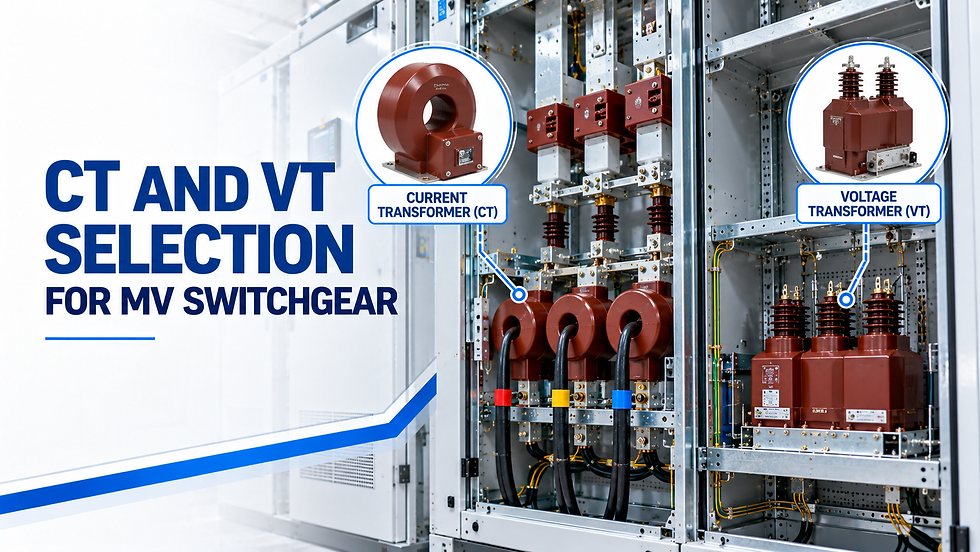
Typically installed in primary substations or industrial facilities, primary switchgear includes components such as circuit breakers, disconnectors, and instrument transformers. Circuit breakers are vital for interrupting fault currents and preventing damage to the network, while disconnectors isolate sections of the system for maintenance without disrupting the entire network. Instrument transformers, on the other hand, are used for metering and protection, ensuring accurate measurement and fault detection.
At Leistung Energie, we specialize in providing primary switchgear solutions that meet the highest standards of performance and safety. Our range includes both air-insulated switchgear (AIS) and gas-insulated switchgear (GIS), catering to diverse operational needs. AIS is a cost-effective option suitable for installations with ample space, while GIS offers a compact design that is ideal for urban environments or areas with space constraints. Both options are equipped with advanced protection and control features, ensuring optimal performance and reliability.
Secondary Distribution System: Ensuring Localized Power Delivery
The secondary distribution system plays a pivotal role in delivering electricity to end-users. By stepping down the voltage from the primary distribution system, it ensures that power is delivered at safe and usable levels to homes, commercial establishments, and small-scale industrial facilities. Operating at lower voltage levels, typically between 230 V and 440 V, this system is characterized by its accessibility, safety, and reliability.
Secondary switchgear is the cornerstone of the secondary distribution system. Designed to handle lower fault currents and rated currents, these devices prioritize ease of use, compactness, and cost-effectiveness. Common components of secondary switchgear include fuses, load-break switches, and Ring Main Units (RMUs). Fuses provide a simple and effective means of protecting the network from overcurrents, while load-break switches enable safe manual operation under load conditions. RMUs, which are widely used in urban distribution networks, offer modularity, compactness, and ease of maintenance, making them ideal for high-density areas.
Leistung Energie offers a comprehensive range of secondary switchgear solutions tailored to meet the unique requirements of various applications. Our products are designed with a focus on safety, reliability, and efficiency, ensuring uninterrupted power supply and ease of maintenance. Whether it is a compact RMU for a residential network or a customized solution for a commercial facility, our secondary switchgear is engineered to deliver exceptional performance.
Considerations in Power Distribution
The Evolution of Switchgear Technology
Switchgear technology has evolved significantly over the years, driven by the need for greater efficiency, safety, and sustainability. Air-insulated switchgear (AIS) and gas-insulated switchgear (GIS) are two predominant technologies used in primary and secondary distribution systems. AIS is valued for its simplicity, cost-effectiveness, and ease of maintenance, making it a popular choice for installations with ample space. GIS, on the other hand, offers a compact design that is ideal for urban environments or areas with limited space. However, the use of SF6 gas in GIS has raised environmental concerns, prompting the development of eco-friendly alternatives.
Leistung Energie is at the forefront of switchgear innovation, offering products that incorporate the latest advancements in technology. Our commitment to sustainability drives us to explore eco-friendly solutions that reduce environmental impact without compromising performance.
The Importance of Smart Monitoring
Incorporating smart monitoring systems into switchgear enhances the efficiency and reliability of power distribution networks. These systems enable real-time data collection and analysis, allowing operators to identify potential issues before they escalate into major problems. By integrating smart monitoring technologies, Leistung Energie empowers operators to optimize the performance of their distribution networks while minimizing downtime and maintenance costs.
Safety and Maintenance in Distribution Systems
Safety is a paramount concern in both primary and secondary distribution systems. The use of compartmentalized designs and internal arc protection ensures that maintenance activities can be performed without compromising the safety of personnel or the integrity of the system. Compliance with international standards, such as IEC, further enhances the reliability and safety of switchgear. At Leistung Energie, we prioritize safety in all our products, providing peace of mind for operators and end-users alike.
Leistung Energie is a trusted name in the field of power distribution, offering a comprehensive range of products and solutions for primary and secondary distribution systems. With over two decades of experience, we have built a reputation for delivering high-quality switchgear, transformers, and power solutions that meet the highest standards of performance and safety. Our commitment to innovation, customer satisfaction, and sustainable practices sets us apart as a leader in the industry.
Visit today to explore our full range of solutions and discover how we can help optimize your power distribution network.


Comments